Benefits
What's Inside?
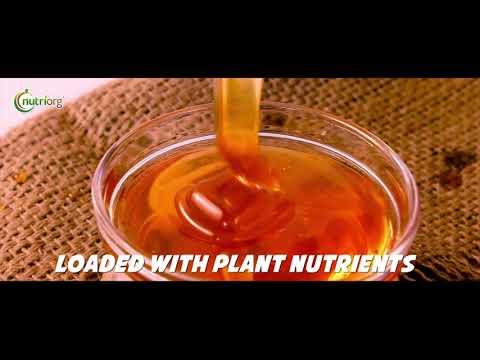
Wild Himalayan Forest Nectar
Natural Enzymes & Minerals

How To Consume?

Morning Glass

Stir & Drizzle

Face Mask
Nutriorg Certified Organic Rose Water 250ml and Get 100ml Spray Bottle Free
₹ 399.00
11% OFF
M.R.P:
₹ 450.00
Real People, Real Results
After drinking Sea Buckthorn Juice, I feel Refreshed and Energetic throughout the day.
-Yash

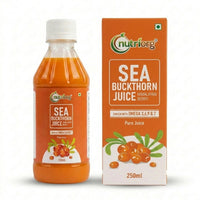
Sea Buckthorn Juice
Vegan Source of Omegas 3, 6, 7 & 9
₹349.00
M.R.P:
₹399.00
My Skin feels Healthier, and my Hair looks Shinier after making Amla Juice part of my daily routine.
-Priyanka
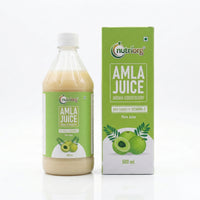
Amla Juice
Vitamin C Powerhouse
₹99.00
M.R.P:
₹115.00
Test & Verified
All our products are made using the age-old techniques which ensure that the nutritional integrity of the food is not compromised. Our processes are as pure as our heart!
14+Years of Trust
1000+Hectares Organic Farms
80%Women Workforce
1000+Farmers Empowered
14+Countries We Serve
1M+Happy CustomersFAQ
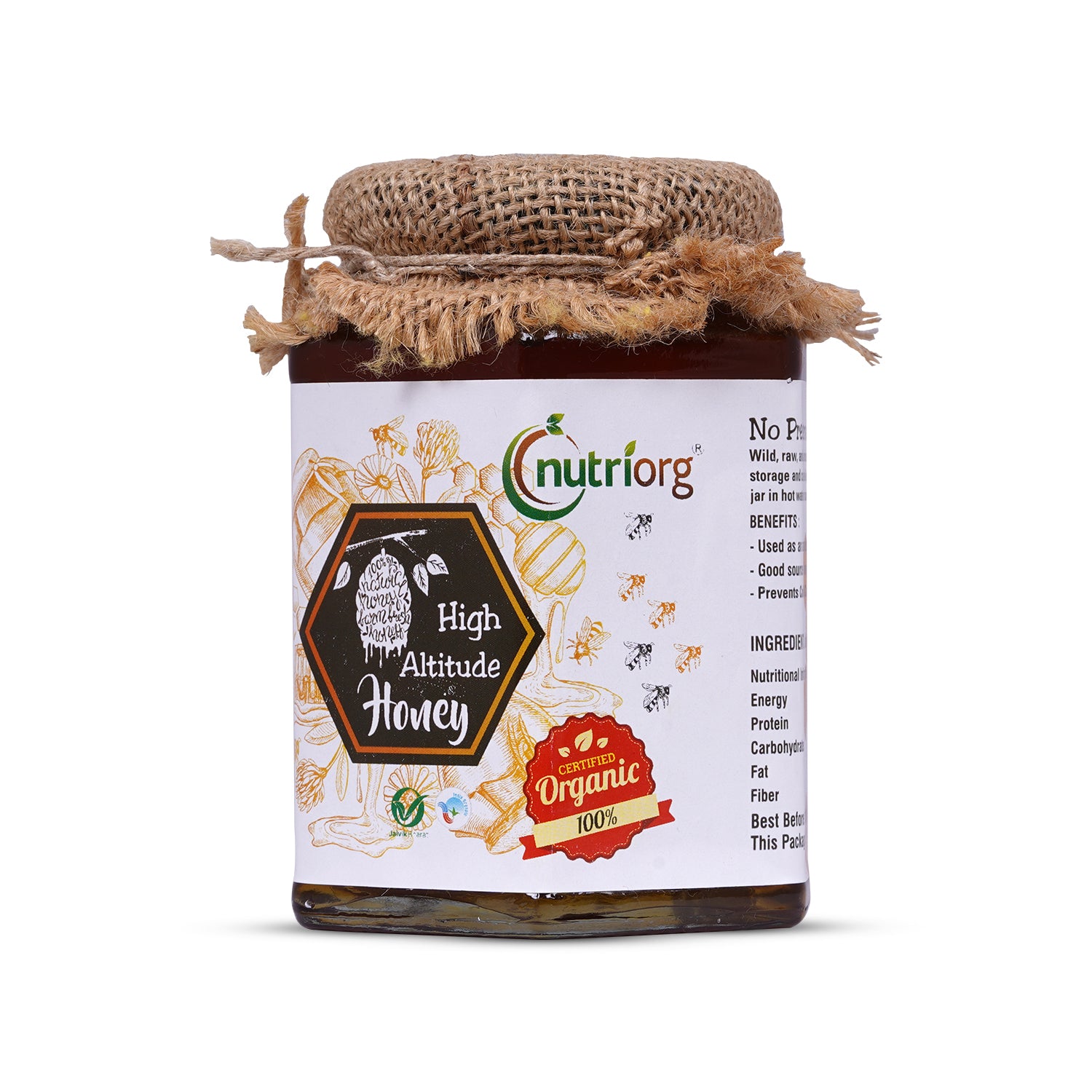
Nutriorg High Altitude Honey is sourced from Himalayan forest regions where flowering trees and plants grow naturally. It has a distinctive wild-forest taste and aroma, and the honey is collected by Himalayan and Indian honey bees.
Honey can naturally crystallise over time as glucose forms crystals, so a thicker or grainier texture does not automatically mean the honey has spoiled or been adulterated. Crystallisation is a normal physical change in honey and can vary depending on its natural sugar composition and storage conditions. If needed, the jar can be gently warmed in warm water to return the honey to a more liquid consistency.
Nutriorg High Altitude Honey can be used as a natural sweetener in tea, smoothies, toast, desserts, yogurt, oatmeal and other foods. It can also be combined with lemon and warm water or added to smoothies.
Store High Altitude Honey tightly closed in a cool, dry place away from direct sunlight. Room-temperature storage is generally suitable for honey; refrigeration can encourage faster crystallisation. If crystallisation occurs, gently warming the jar in warm water can help return it to a more fluid texture.
Honey is still a source of sugar and carbohydrates and can raise blood glucose, so it should not be treated as a diabetes-friendly or blood-sugar-controlling sweetener. People with diabetes may use honey in moderation if it fits their eating plan, but its carbohydrates should still be counted. Replacing sugar with honey generally provides no meaningful advantage for blood-sugar management.
Honey should never be given to babies younger than 12 months because of the risk of infant botulism. For children over one year, honey can generally be consumed as a food when age-appropriate, but it should not be presented as a guaranteed treatment or preventive remedy for coughs, colds or other illnesses.